Neuroplasticity
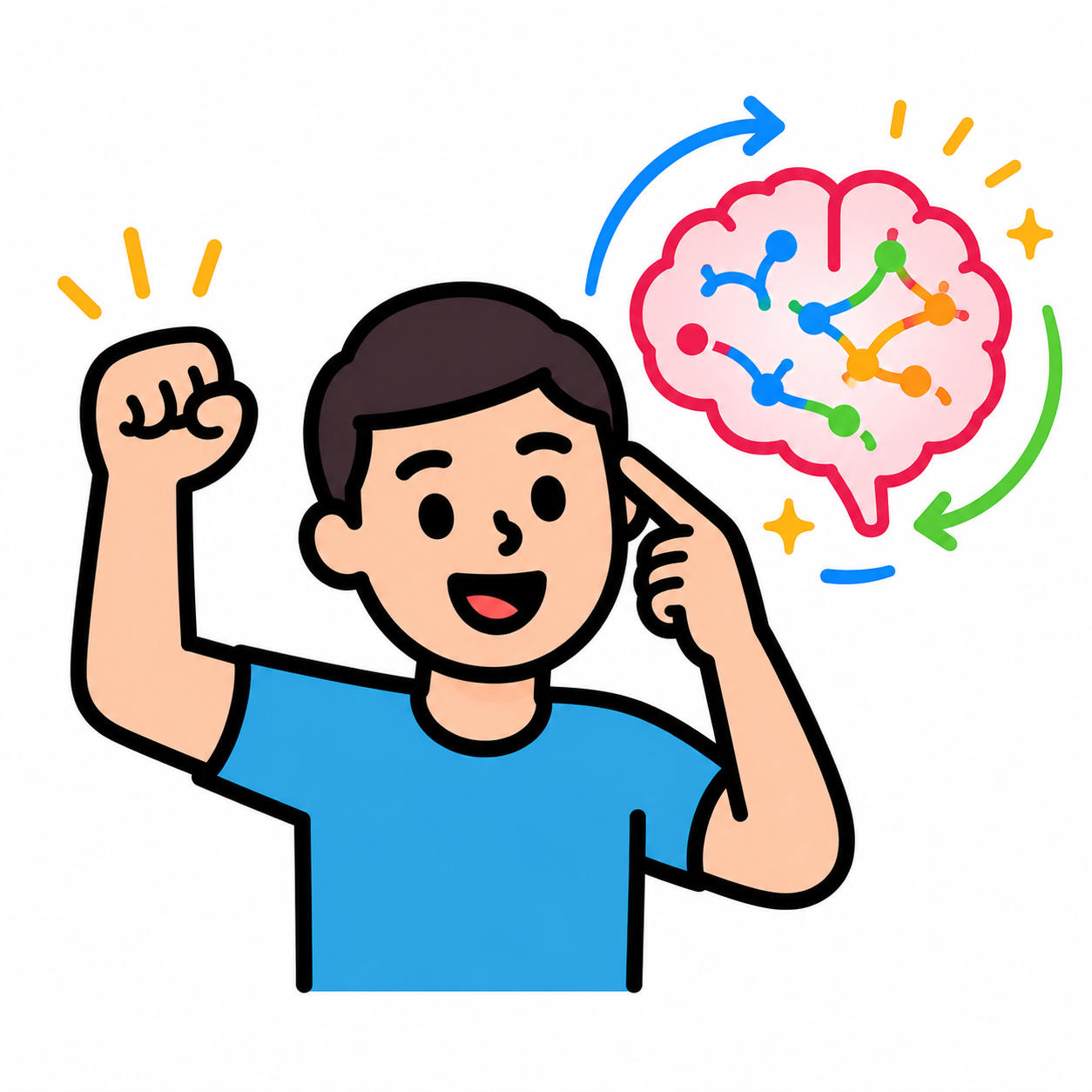
Neuroplasticity is the brain's ability to change, adapt, and form new neural connections throughout life. After an injury such as a stroke, the brain can reorganize itself by creating new pathways to help restore lost functions. Repetitive practice, exercise, and learning new skills help strengthen these connections and support recovery.
Q&A

Can your brain build a "new bridge" to help you move again?
Just like a new bridge allows people to cross a river when an old one has collapsed, neuroplasticity allows your brain to create new connections between neurons to bypass damaged areas.Even if some brain cells have died, your brain is not a rigid electrical board; it is a flexible network that is constantly looking for better ways to send information .
Are you ready to tap into the same "super-learning" power you had as a baby?
When babies discover the world, their brains undergo intense remodeling, creating up to 15,000 new connections (synapses) by age three . While this process is at its peak during childhood, your adult brain is far from fixed and maintains this same "infancy stage" ability to physically change its structure as you learn and practice new things
Can you see how every single repetition is "wiring" your brain for success?
Neuroplasticity follows the principle: "fire together, wire together". Every time you repeat a therapy activity or take an extra step, you are encouraging the healthy parts of your brain to make and strengthen new connections. The more you use these pathways, the stronger the communication between your brain cells becomes.
What is the time limit on how long your brain can continue to rewire itself?
While recovery is often fastest in the beginning, neuroplasticity is a lifelong process . This amazing ability to re-wire doesn't only happen during formal therapy sessions; it continues for years after a stroke, meaning you can continue to make progress toward your goals of strength and independence every single day
How can you work together to create a "brain-building" environment at home?
The brain’s structure is physically changed by environmental stimulation, positive thoughts, and physical activity . As a team, you can tap into this by practicing consistent habits—like exercise or learning a new skill—which helps the brain dispose of unused connections and preserve the ones you use frequently