You are now a caregiver? This is your new role:
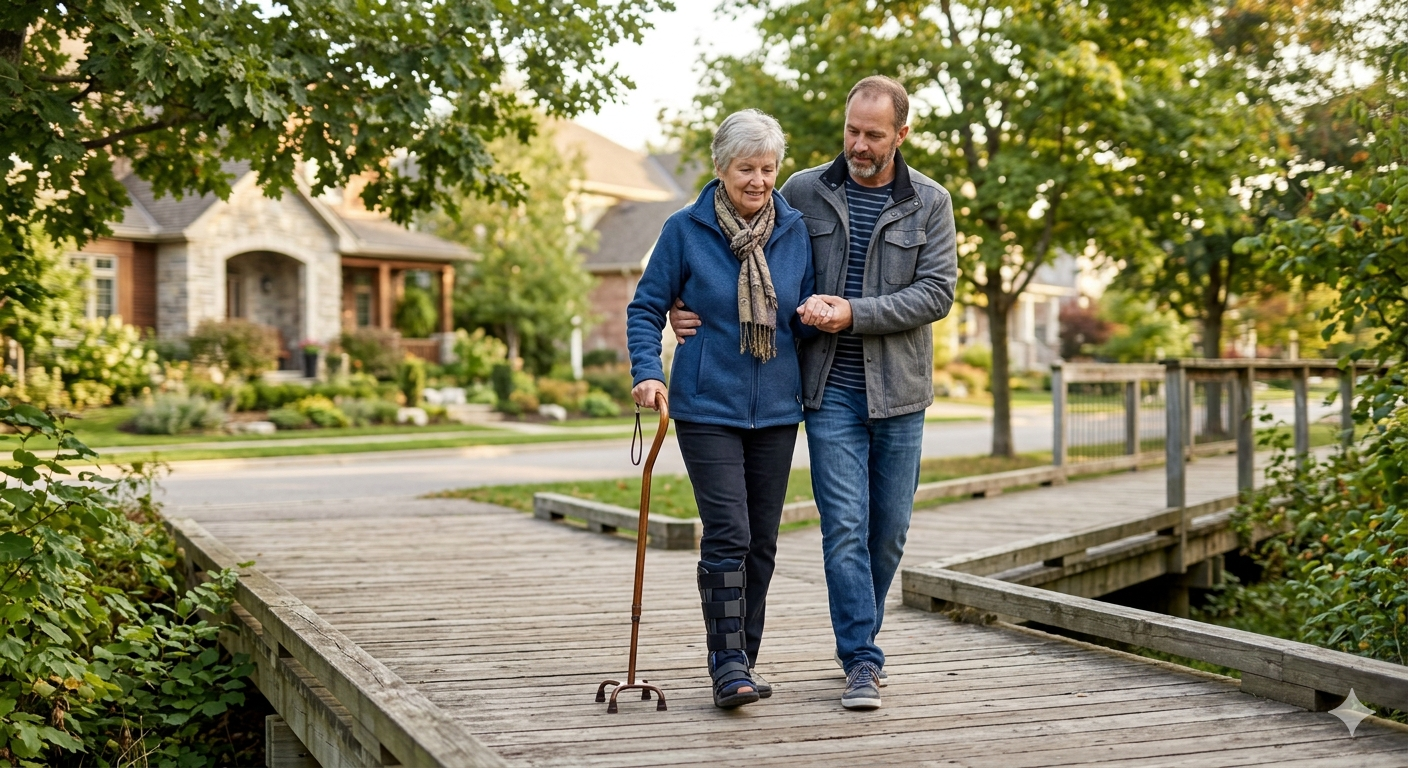
Physical Assistance
which can include essential tasks like walking, eating, bathing, brushing teeth, grooming, and dressing.
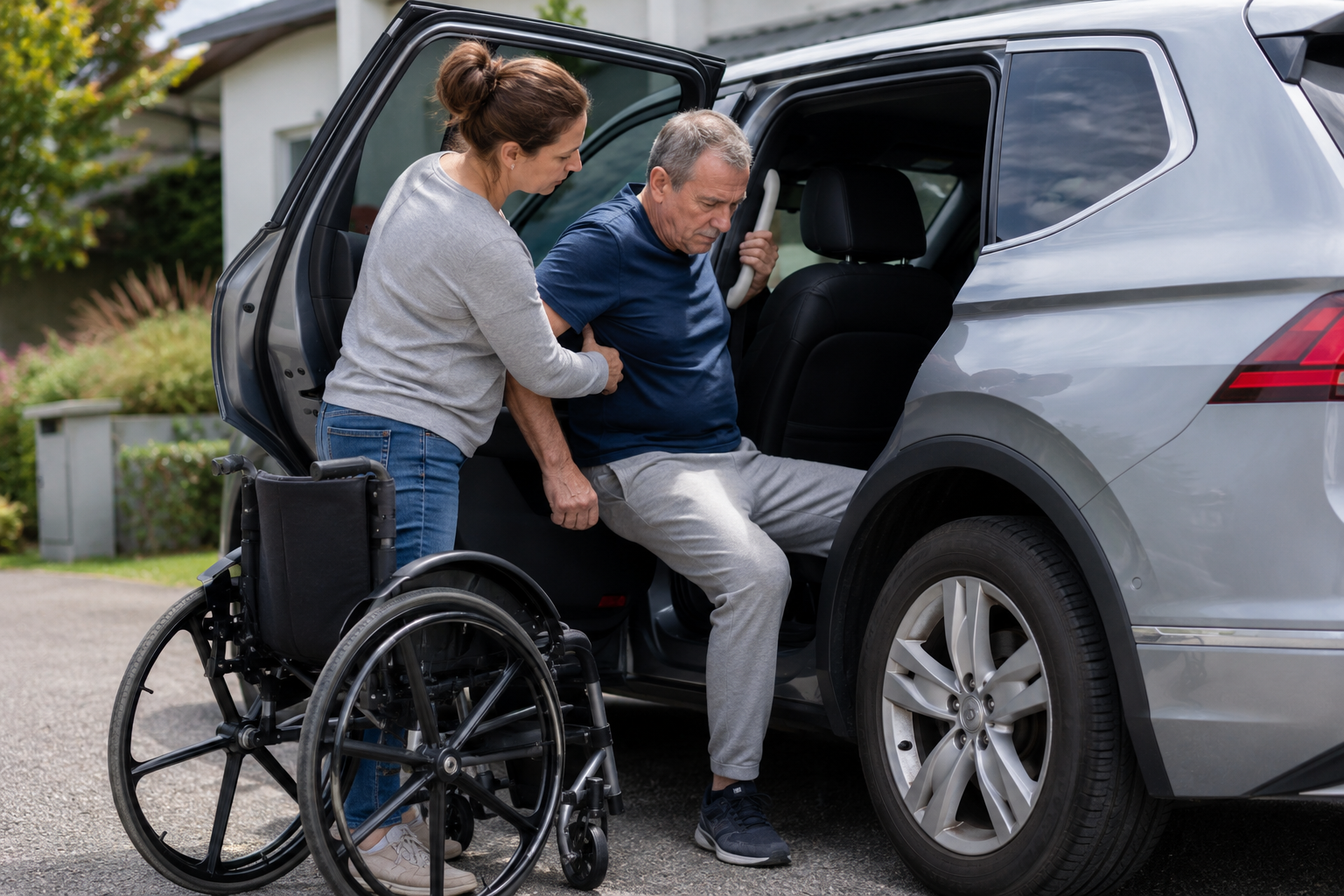
Household & Logistics
Caregivers often take over household chores previously handled by the survivor, including cooking healthy, stroke-preventative meals and managing finances, insurance, and disability benefits. They also oversee home modifications. And helping the stroke survivor to get around: transportation can be complex.
Caregivers often take over household chores previously handled by the survivor, including cooking healthy, stroke-preventative meals and managing finances, insurance, and disability benefits. They also oversee home modifications. And helping the stroke survivor to get around: transportation can be complex.
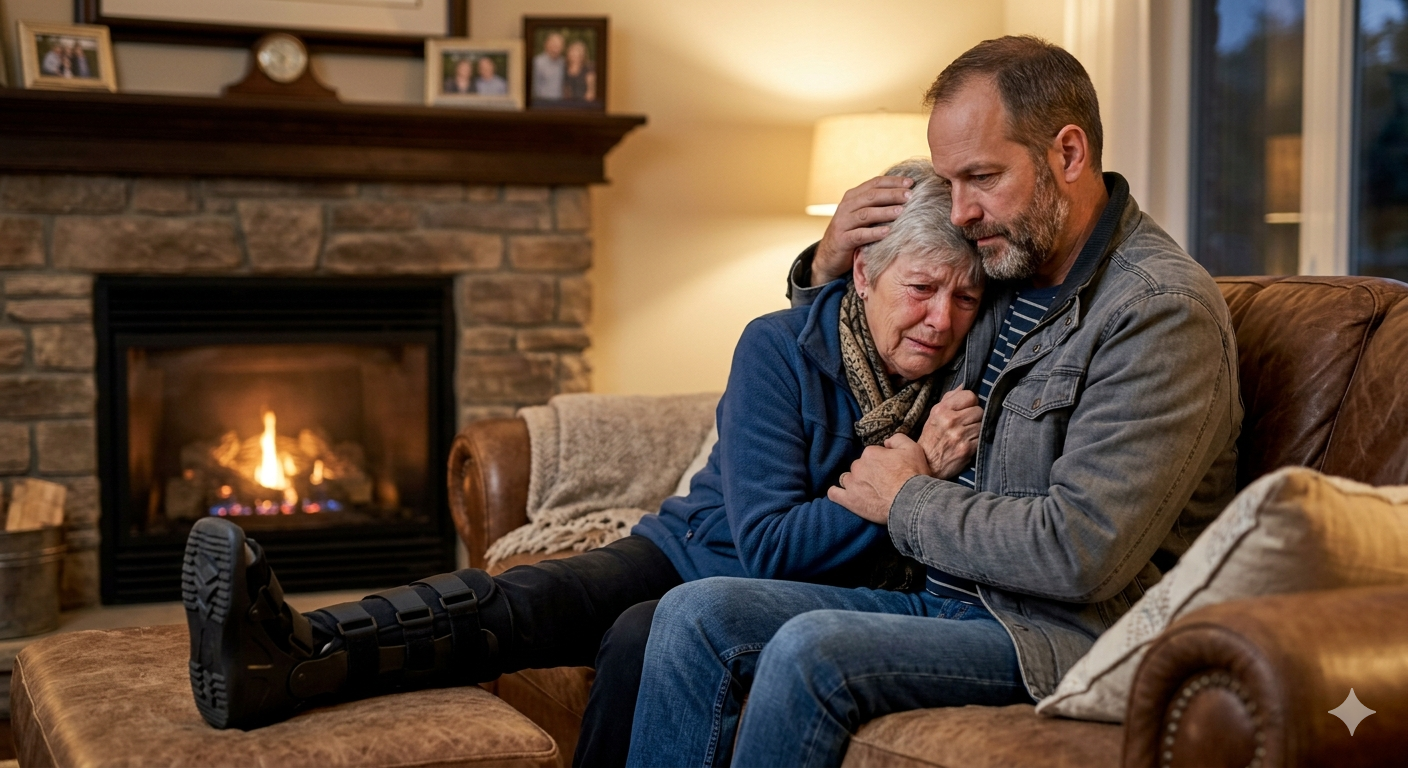
Emotional and Social Support
Caregivers provide vital emotional and mental stimulation to help survivors cope with depression, anxiety and the grieving process. They navigate behavioral changes caused by brain injury, such as sudden anger or emotional lability.
Caregivers facilitate social connections by arranging visits with friends and helping survivors join stroke support groups.