No compensation manifesto
In stroke rehabilitation, compensation' refers to strategies where the stronger side is trained to take over for the weaker side. This involves the good hand performing tasks usually done by both hands, widening the stance, and often relying on a cane. These changes improve outcome measures, and eventually, discharge papers are signed. But nothing was rebuilt.
The nervous system didn't fully recover; instead, it adapted to bypass the damage rather than repair it. Most rehabilitation approaches accept this because they are quicker and easier to measure. After all, the system is designed to close cases, not to achieve complete recovery. We refuse to accept this limited outcome. That refusal defines our approach.
Recovery is not adaptation.
True neurological recovery involves reestablishing the original pathways—the same developmental sequence your brain followed when it first learned to move. This process is slower, more challenging, and requires greater effort from both you and us.
It's also the only route that concludes with movement truly yours again, instead of a workaround you'll be forced to handle forever.
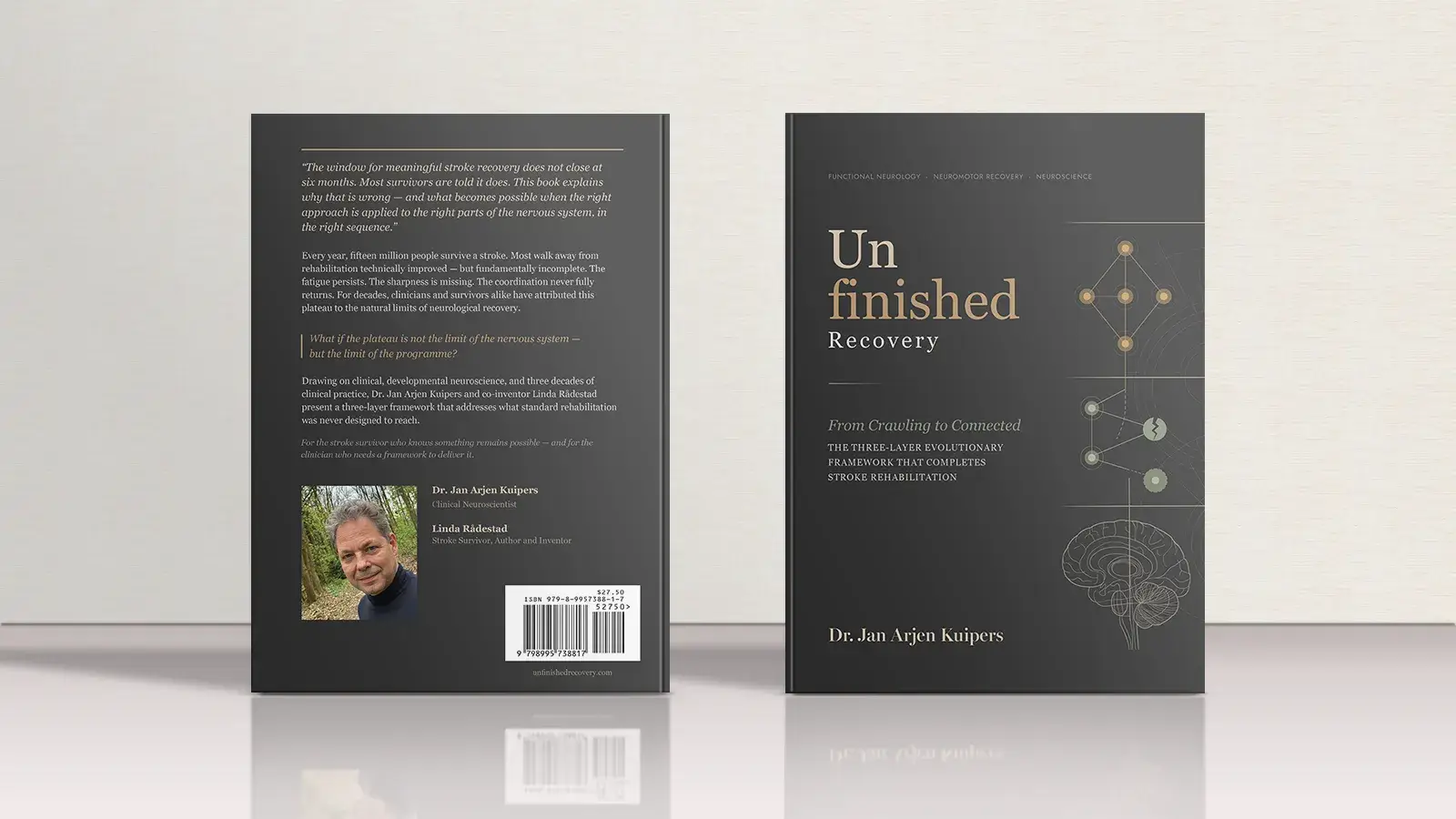
This is the foundation of the Kuipers–Rådestad Neuromotor method, developed over seven years with more than 1,600 clients across multiple continents, and fully set out in our book, Unfinished Recovery.
No compensation is a clinical standard — but it is also a promise about how we work.
We avoid vague timelines when precision is possible. Instead of motivational speak, we offer honest assessments. When results are lacking, we don't simply extend the program.
No compensation — not in your movement, and not in our standards.
If rehabilitation ended and you feel there's more you could have done, you are correct. That intuition marks the start of the next phase.
Dr Jan Arjen Kuipers — clinical neuroscientist; Linda Rådestad — co-creator and a stroke survivor who refused to compensate
Stroke.Fitness · Unfinished Recovery

Tired of being tired after a stroke/brain injury?
CLICK here to watch more videos and discover simple, practical strategies to manage fatigue, protect your energy, and regain control of your day.What we do differently
CLICK here to discover how STROKE FITNESS helps people move, recover, and thriveWhy "Be Careful" Makes Stroke Survivors Fall More (Not Less)
CLICK here to discover how STROKE FITNESS helps people move, recover, and thriveThe Hidden system (no one told you about)
CLICK here to discover how STROKE FITNESS helps people move, recover, and thriveIs There an End Date to Recovery After Stroke? (The Science Says: Absolutely Not)
CLICK here to discover how STROKE FITNESS helps people move, recover, and thriveWhy you should do this exercise
CLICK here to discover how STROKE FITNESS helps people move, recover, and thriveCognitive Issues After Stroke
CLICK here to discover how STROKE FITNESS helps people move, recover, and thriveUnderstanding and Treating Post-Stroke Fatigue
CLICK here to discover how STROKE FITNESS helps people move, recover, and thrive
From the Ground Up Rehabilitation, 2
CLICK here to discover how STROKE FITNESS helps people move, recover, and thrive
From the Ground Up Rehabilitation, 3
CLICK here to discover how STROKE FITNESS helps people move, recover, and thrive
From the Ground Up Rehabilitation, 1
CLICK here to discover how STROKE FITNESS helps people move, recover, and thrive
Our Locations
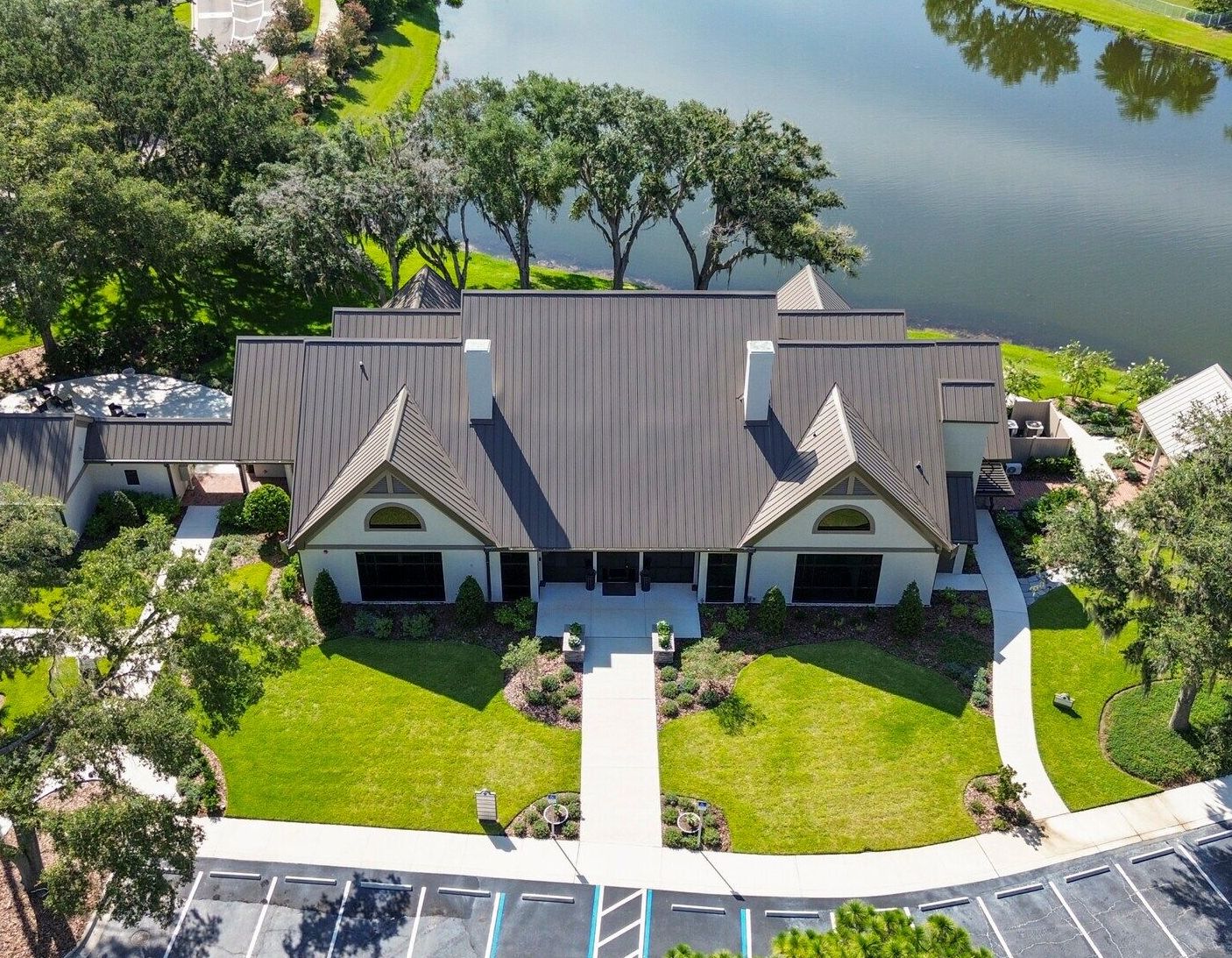
8709 Hunters Green Dr, Tampa, FL
Florida's first exercise and training center built exclusively for stroke survivors. Our Hunters Green facility features specialized equipment in a warm and intimate environment designed specifically for post-stroke fitness.
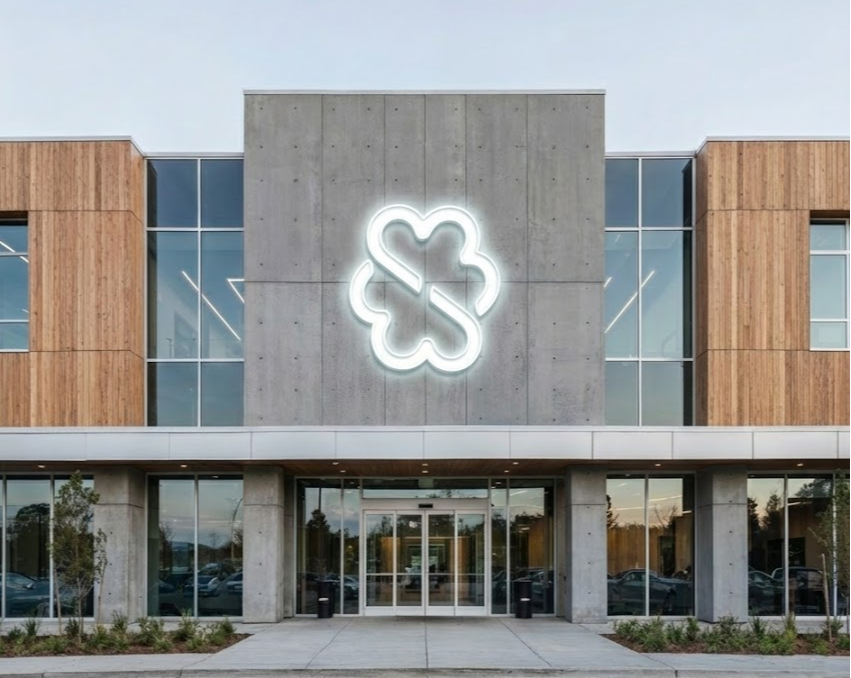
Coming Soon
We're ever expanding and looking forward to opening more locations across the US in 2026. Want a Stroke Fitness center near you? Then register your interest below.